How We Work
What we ask of you, what we do, and how you stay in control, from the first call to a team running your process.
Talk to usHow We Start
Four steps from a first call to a team running your process, and typically less than three months from pilot to full scale.
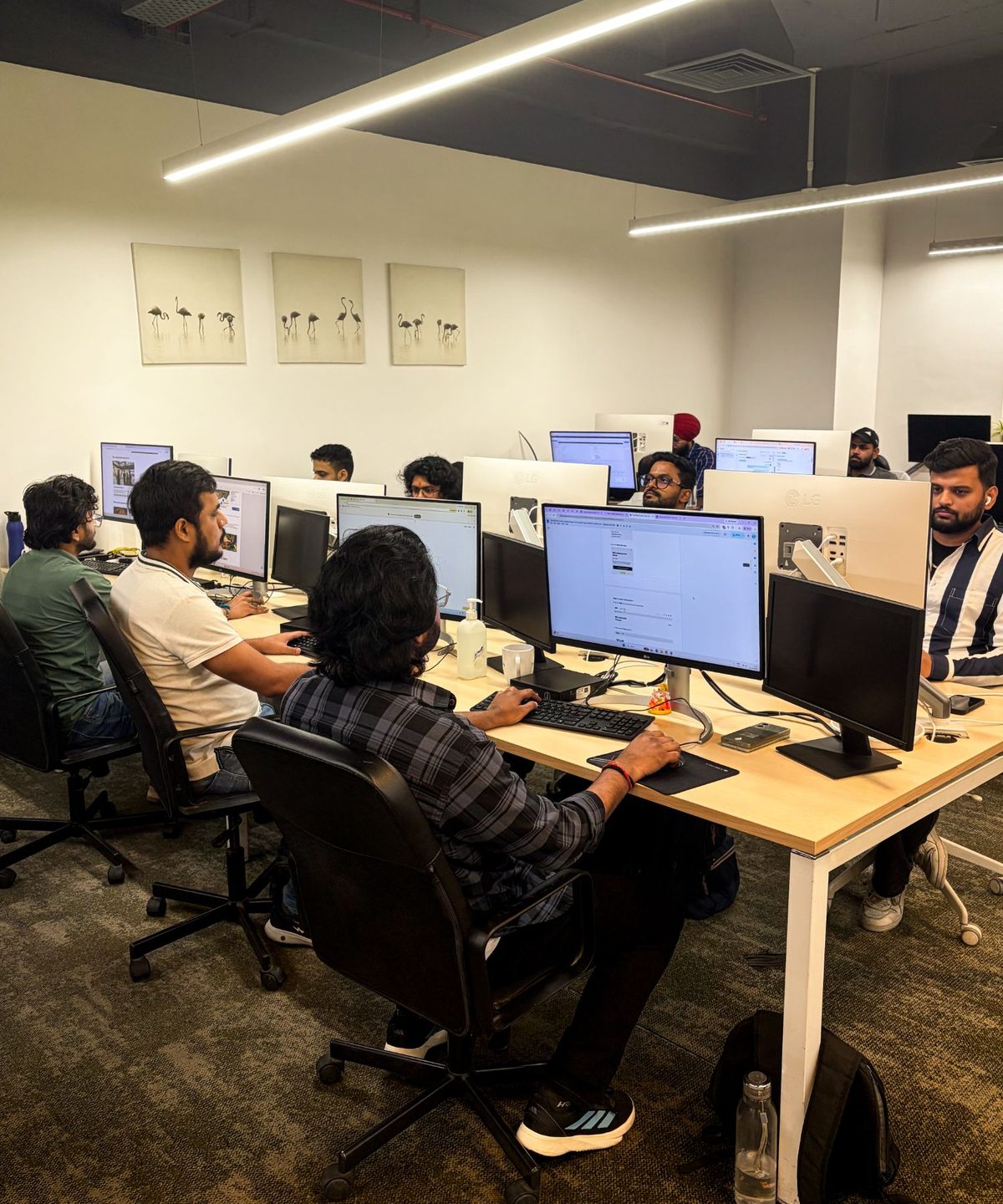
Discovery
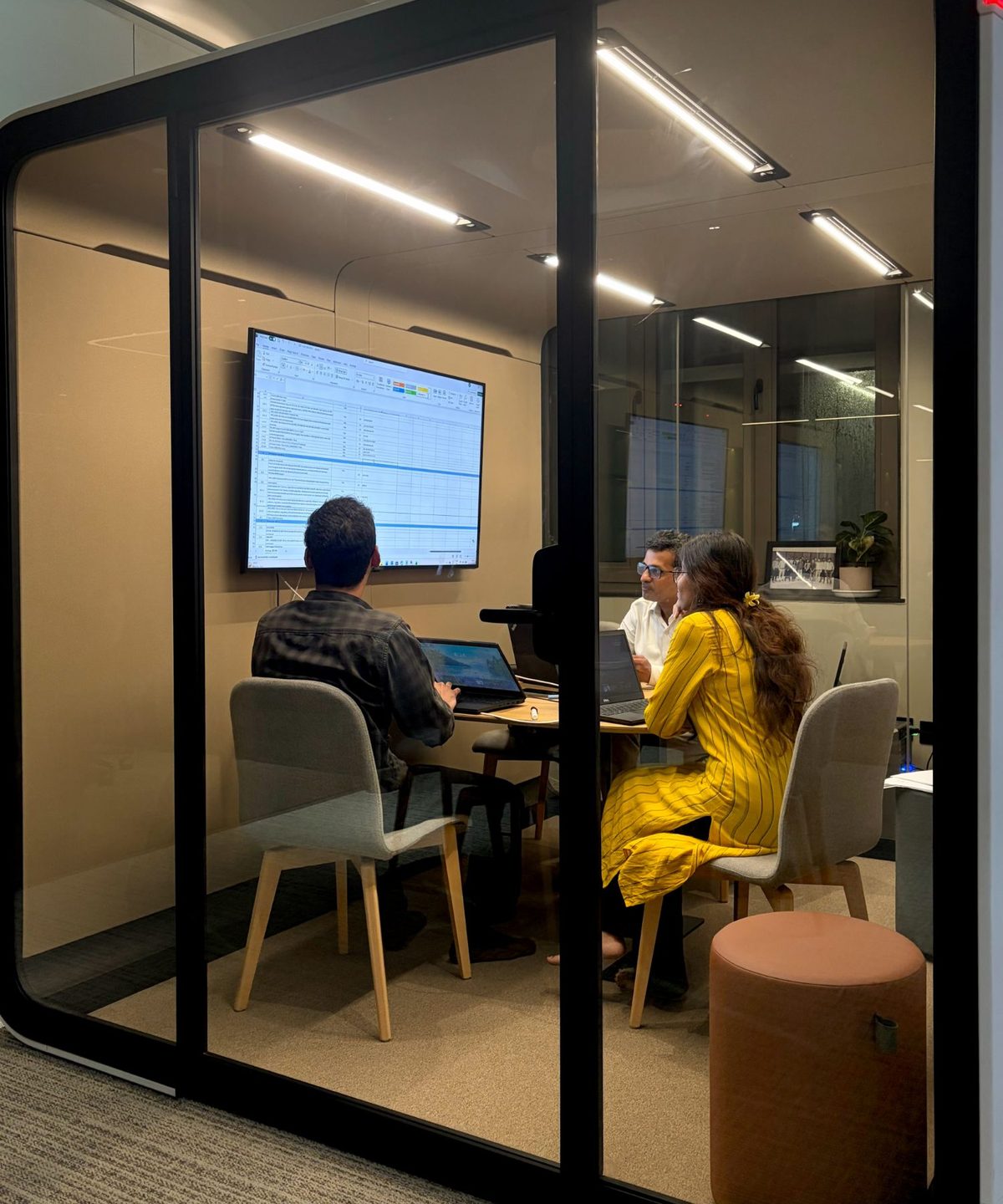
A 30-minute call to understand your volumes, channels and where the work gets stuck.
Process design
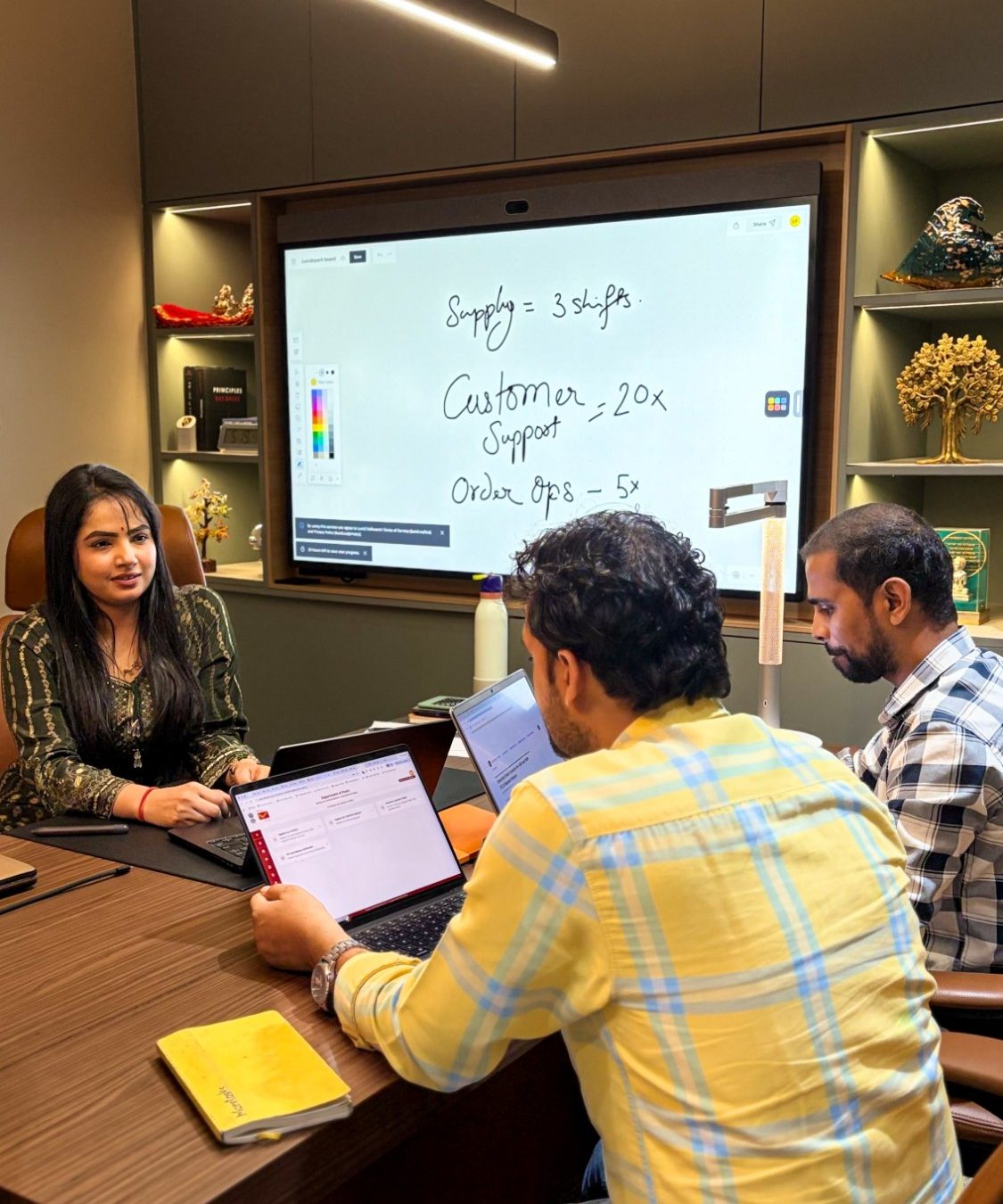
We map the workflow, write the playbook and agree the service levels with you.
Pilot
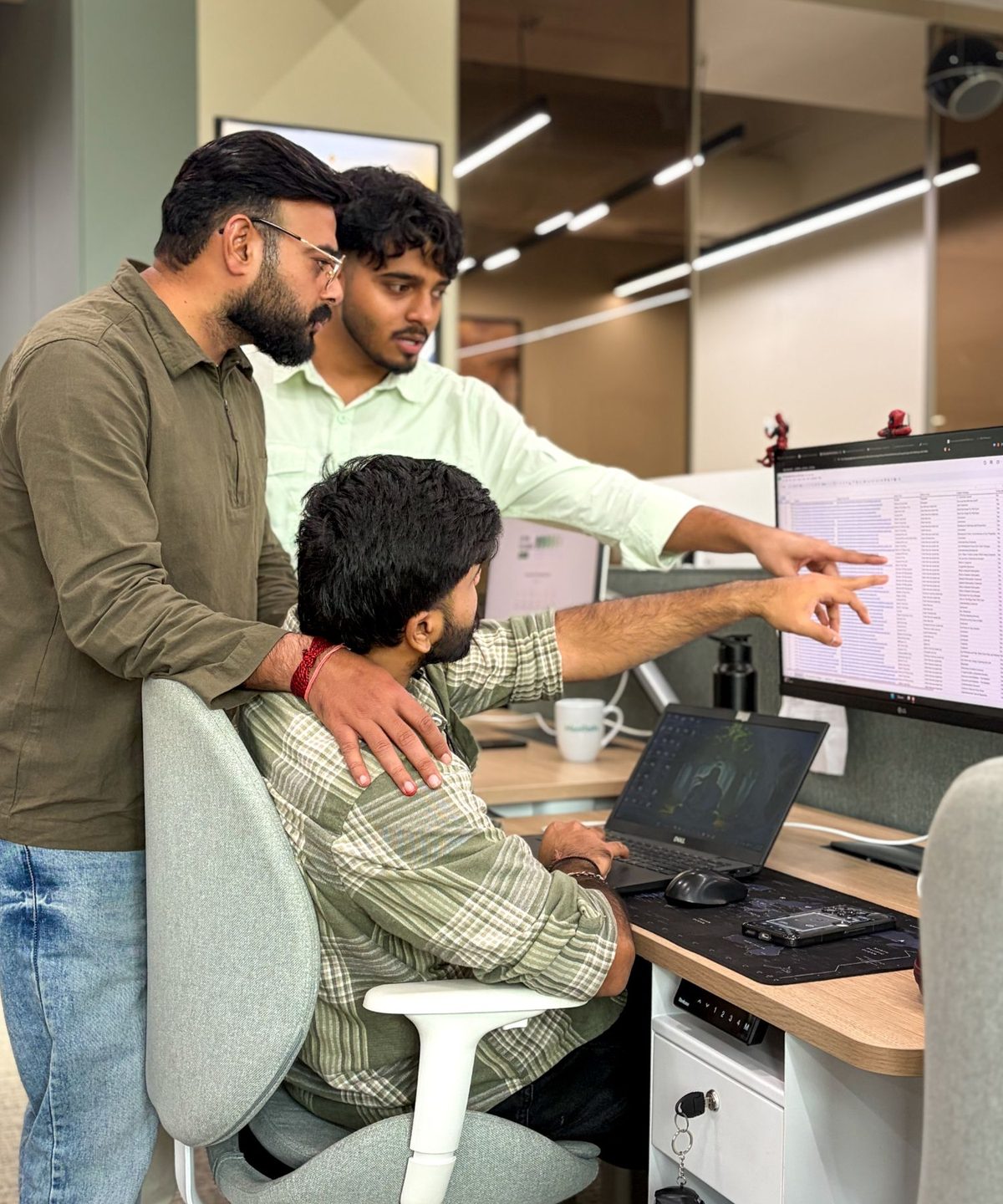
A small dedicated team runs the process live, measured against those service levels.
Scale
Once the pilot meets its targets, we add people and processes at your pace, typically reaching full scale in less than three months.
Most clients start with one process. A small dedicated team learns it inside your own tools, runs it to service levels agreed with you, and grows as it proves itself.
How it runs
The essentials
Before We Start
-
What we ask you for
A picture of the work as it is today:
- Volumes by channel or task, through the week and the year
- Effort: how long a typical case takes, if you measure it
- Hours to cover, and the time zone
- Tools and languages your team and customers use
- Time with your experts on the process
We size the team from these figures and show you the assumptions behind it.
-
Mapping the scope
Before anyone starts, we agree in writing what the team does, what it passes back to you, and what a complete request looks like.
- An owner for every request type: our team, yours, or a named hand-off between the two.
- Agreed sign-off rules: we agree up front which decisions our team takes and which come back to you.
- Commercial decisions stay with you. Pricing and contract terms are yours; we carry them out and report on them.
- A written playbook for every process, kept up to date as it changes.
-
Access and tools
We work inside your own systems, whether that’s a helpdesk, an order platform, a content system or a code repository, over secure VPN access.
- Named accounts for each of our people, with the permissions you choose.
- Access widens in stages as people prove themselves, with the most sensitive tools last.
Building Your Team
Hiring and training
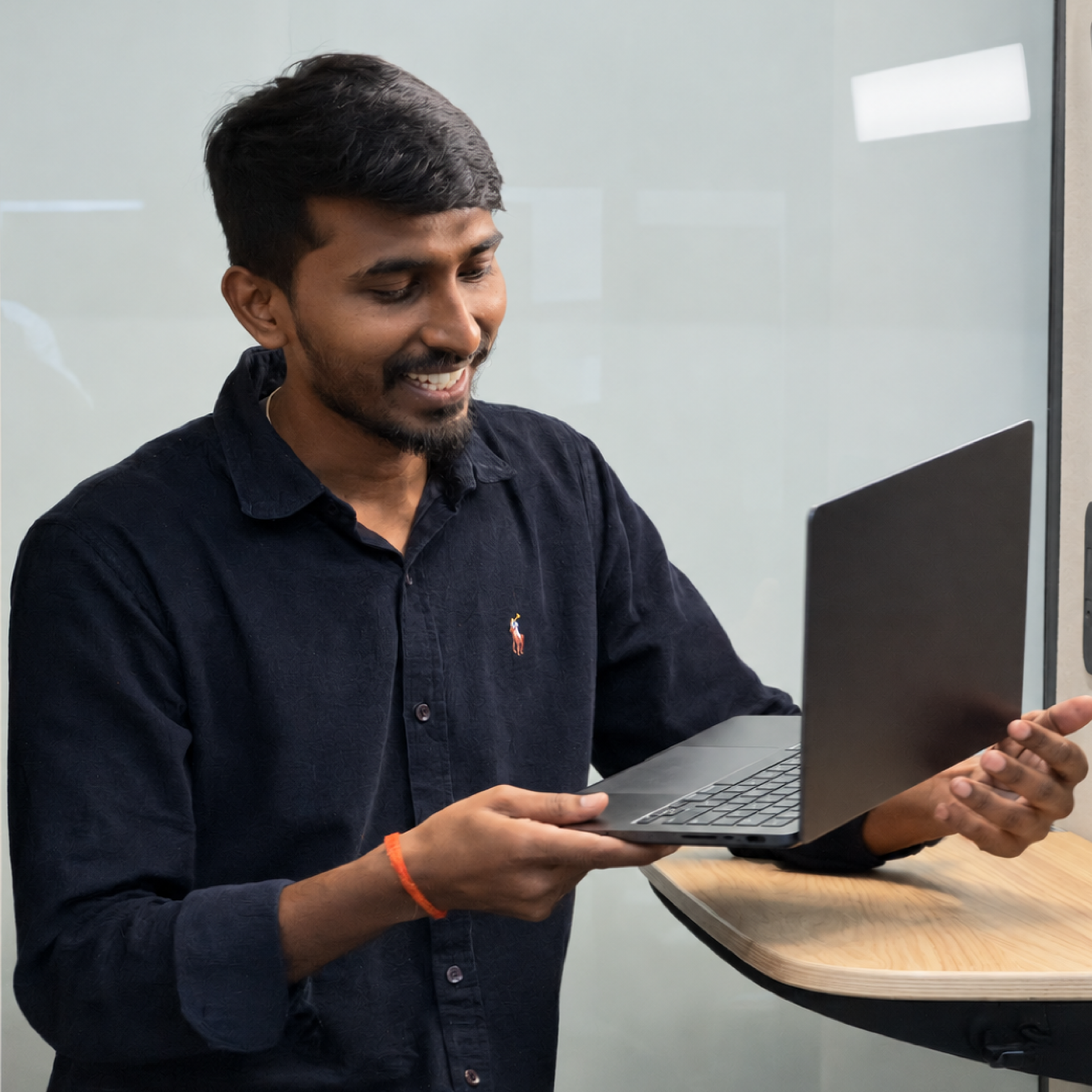
We recruit, train and manage the team, and absorb staff turnover.
Turnover runs at under 25% a year, absorbed by us, not you. Every new team member is trained on your systems and your process, and tested before going live; on customer support, for example, onboarding takes eight working days. After go-live, they work under closer supervision until they’re ready to work alone.
Knowledge transfer
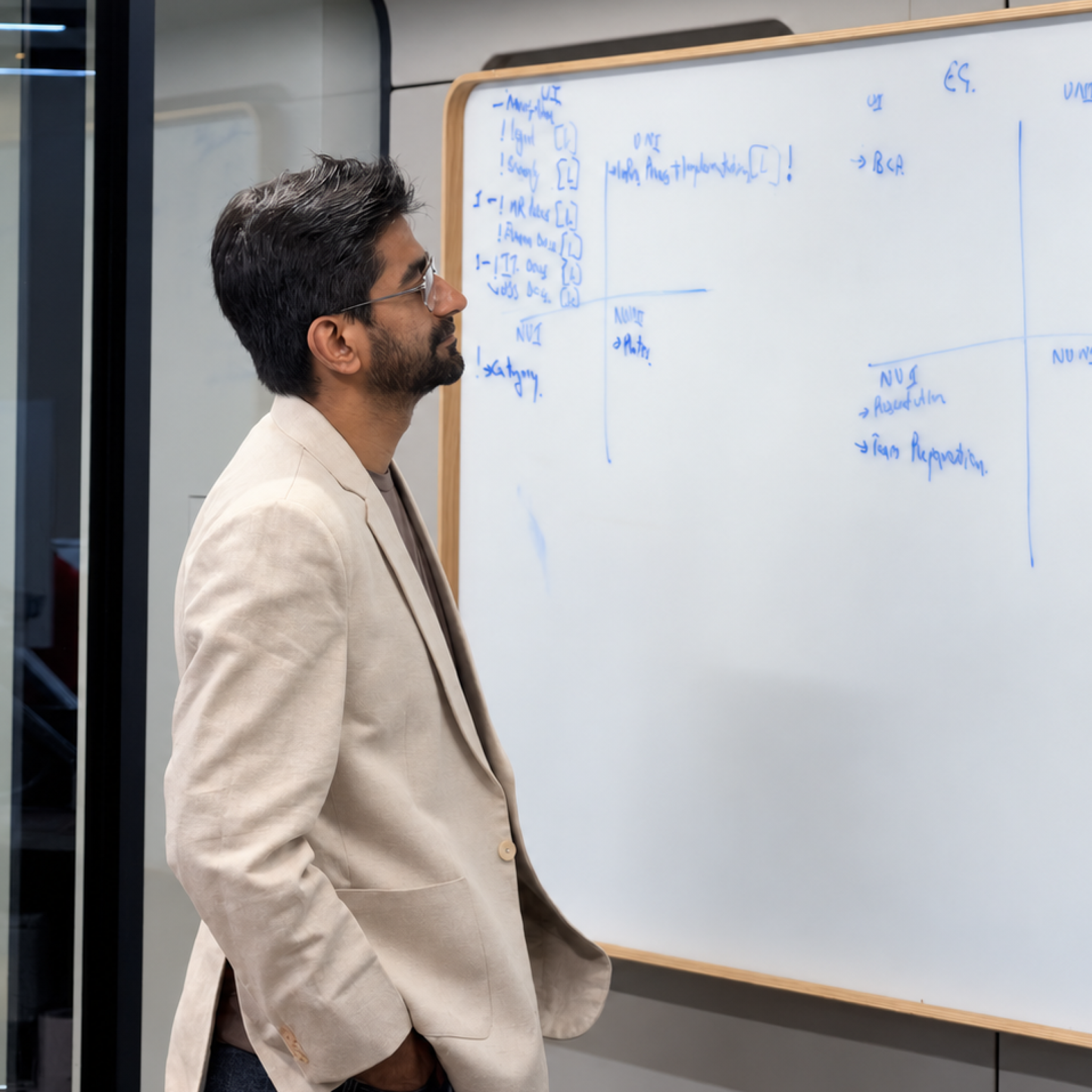
Your experts explain the process. We turn it into material any shift can follow.
We write short process summaries, decision tables and checklists on top of your documentation, and record walkthroughs of the cases that most often go wrong. Your documentation stays yours, and every change reaches each shift through stand-ups held twice a day.
The pilot
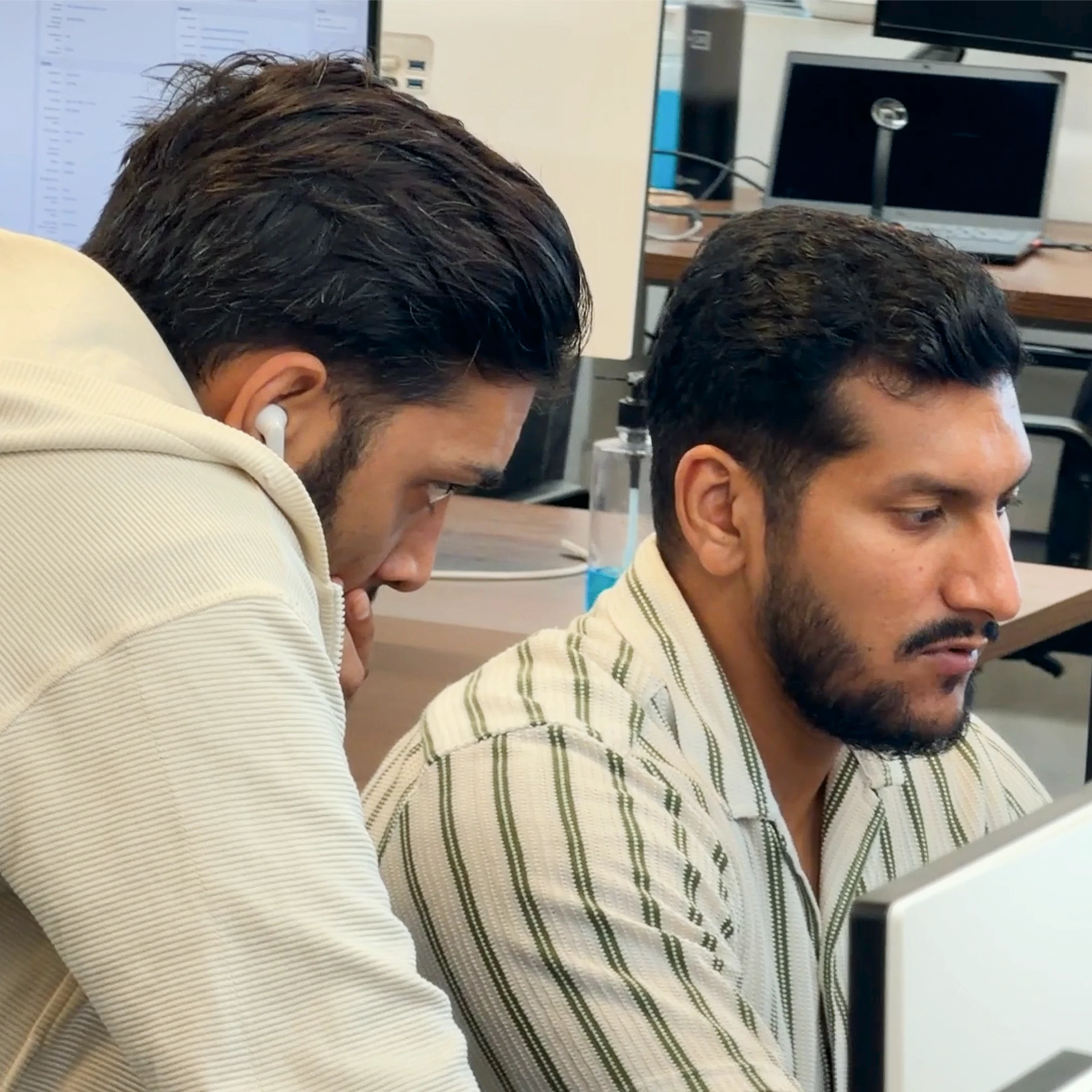
Most clients start with one workflow, run live by a small dedicated team.
We measure it against the targets we agree with you, chosen to fit the work: turnaround, accuracy, quality and output, for example.
Shifts, Handovers and Your Working Hours
Coverage is agreed per process: round the clock across three overlapping shifts, or the hours your business needs. We set the hours with you, in your time zone.
Our shifts, in your time
Example: a 24/7 team in three overlapping shifts. Showing Central Europe, winter (CET). All our times are set in India Standard Time (IST), which doesn’t change with the seasons.
Show the times as a table
| Your time zone | Morning 04:00–13:00 IST | Day 11:00–20:30 IST | Night 20:00–04:30 IST |
|---|---|---|---|
| UK, winter (GMT) | 22:30–07:30 | 05:30–15:00 | 14:30–23:00 |
| UK, summer (BST) | 23:30–08:30 | 06:30–16:00 | 15:30–00:00 |
| Central Europe, winter (CET) | 23:30–08:30 | 06:30–16:00 | 15:30–00:00 |
| Central Europe, summer (CEST) | 00:30–09:30 | 07:30–17:00 | 16:30–01:00 |
| US East, winter (EST) | 17:30–02:30 | 00:30–10:00 | 09:30–18:00 |
| US East, summer (EDT) | 18:30–03:30 | 01:30–11:00 | 10:30–19:00 |
| US West, winter (PST) | 14:30–23:30 | 21:30–07:00 | 06:30–15:00 |
| US West, summer (PDT) | 15:30–00:30 | 22:30–08:00 | 07:30–16:00 |
Handovers
- Shifts overlap by at least 30 minutes.
- The incoming shift leader confirms who owns what before the outgoing shift stands down.
- Stand-ups twice a day keep everyone on the latest version of the process.
When the clocks change
India doesn’t change its clocks. Europe moves them on the last Sunday of March and October, and the US on different dates. We agree with each client whether our shifts move with your clocks or stay fixed in India time.
Who Does What
The split we agree at the start, and keep to. Everything is documented, from an escalation to an incident report.
| Area | MoreTasks | You |
|---|---|---|
| Day-to-day work within the agreed scope | Does it, to documented procedures | Kept informed |
| Work outside the agreed scope | Passes it to you, with context and what was tried | Decides and acts |
| Commercial decisions | Carries them out | Decides |
| Sign-off on outputs, where you need it | Prepares and checks | Approves |
| Changes to your systems and integrations | Flags what needs changing | Makes the change |
| Quality checks, coaching and training | Runs them | Reviews them with us |
| Staffing, rostering and cover | Plans and staffs | Kept informed |
| Records of escalations, incidents, decisions and changes | Documents every one | Can review at any time |
| Decisions above the agreed limits | Escalates | Decides |
| Access, inputs and forecasts | Requests and tracks | Provides |
Running It
Day to Day
How you stay in the loop once the team is live.
Reporting and Reviews
We track every process daily against your targets. You get a weekly report, a monthly report pack and a quarterly review, and quality is checked every week against a written standard.
Escalation
Every process has a written escalation route, with a formal channel and a live one. The person who escalates keeps the case until it’s closed, and if something serious goes wrong, you hear from us within 30 minutes, then every hour.
Changes
When your process changes, we agree the change with you. Our Head of Operations approves it on our side, and it reaches every shift through stand-ups and written updates.
Continuity
Overlapping shifts, cross-training and written backup cover keep the work moving. We work from three suites in one building in Gurugram, on UPS power backed by the building’s generator, under a documented business-continuity plan.
Getting Better
We review quality every week against a written standard, find the cause of any gap, and coach until it closes. Where AI helps, a person reviews every output.
How Engagements Start
Most clients start with a pilot on one workflow, then add more once it meets its targets. We price the work after the discovery call, once we understand it.
Calculator estimates are indicative, not a quote.
Questions Buyers Ask
How quickly can we start?
The first people are usually live within four weeks of signing, and most clients go from pilot to full scale in under three months.
What hours do you cover?
It depends on the process. Our teams can run 24/7 across three overlapping shifts, or cover the hours your business needs. We agree the hours with you, in your time zone.
Do you work on Indian public holidays?
Yes. Our 24/7 teams are fully staffed on Indian public holidays.
Which languages can you work in?
We agree the languages with you at the start, based on the work. Our customer-support teams, for example, cover 12+ languages.
Do you work in our tools?
Yes. Our team works inside your own systems, from a helpdesk or an order platform to a content system, over secure VPN access, with accounts you create and control.
Is the team dedicated to us?
Yes. The people who do your work, including quality and training, work only on your processes. Our Head of Operations oversees several teams.
How do you train new team members?
On your systems and your process, before they go live, and they’re tested before they start; on customer support, for example, onboarding takes eight working days. After go-live they work under closer supervision until they’re ready, and their access to your tools widens in stages.